Infrastructure optimization
Offshore wind-powered AI data centers
A 43-million-variable siting model for gigawatt-scale clean compute, coupling wind resources, storage, grid backup, and network latency.
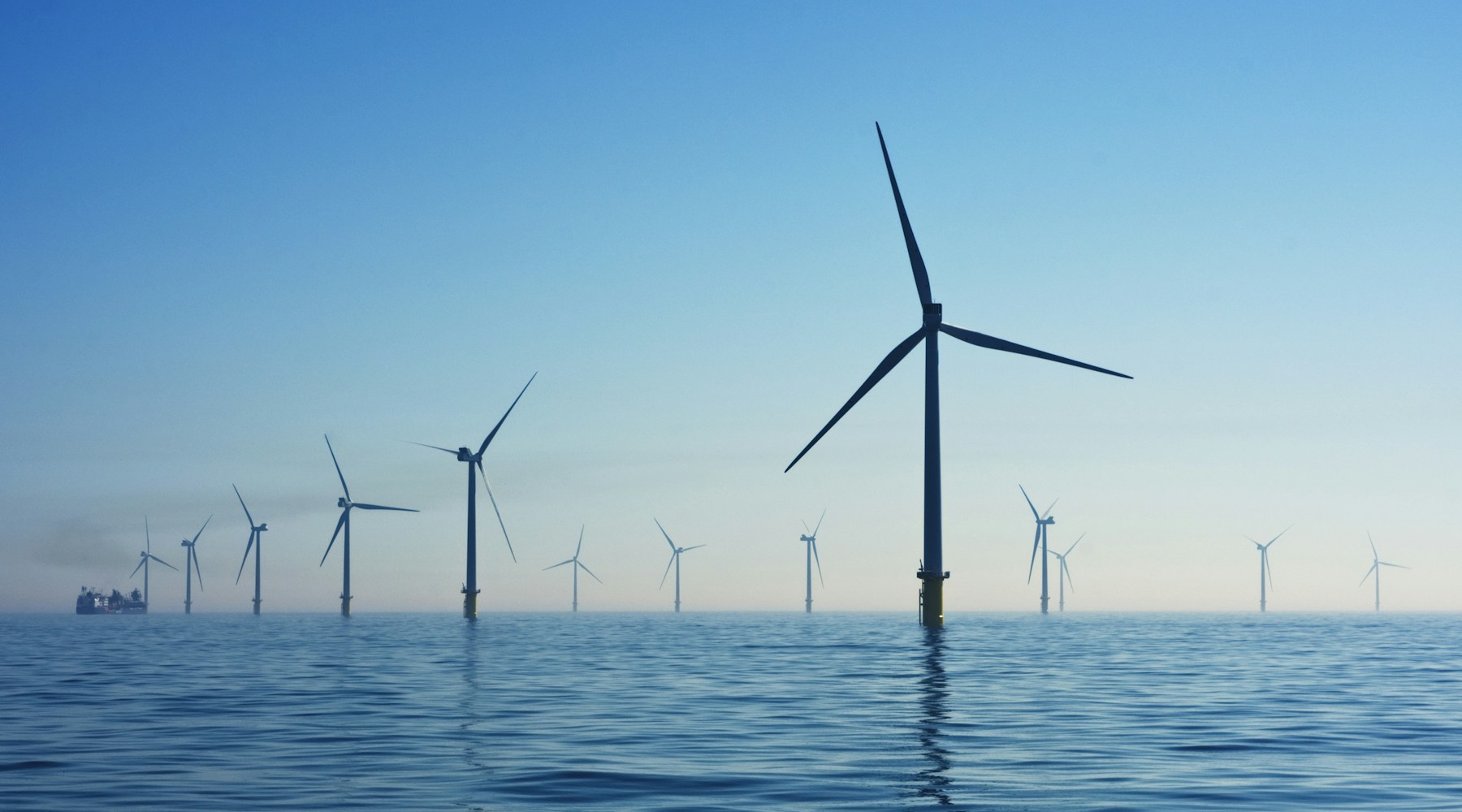 Offshore wind
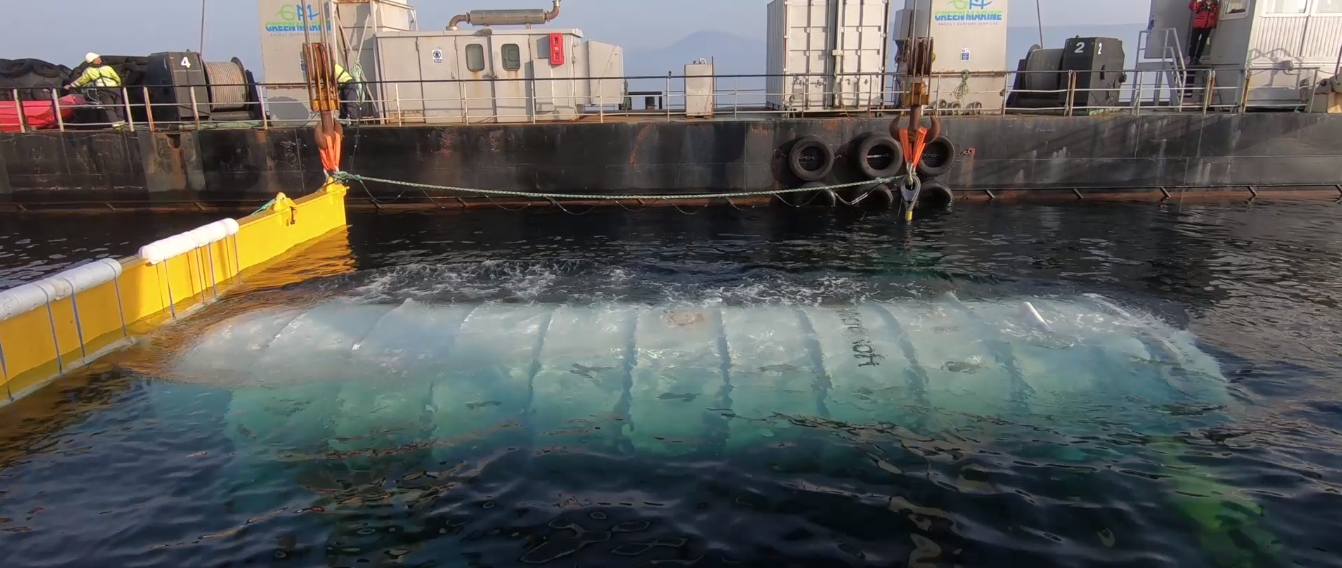 Subsea compute
Project Natick photo by Microsoft; offshore wind photo by Nicholas Doherty on Unsplash.
Optimization framework
Solve reliability, siting, and network latency together
This work is in progress. The diagram shows the implemented model structure and decision scope, not unpublished findings.
Optimization model, 2025 to present. Manuscript in preparation.
The problem
AI compute is being sited where power can be obtained quickly, which in practice means gas turbines, long interconnection queues, and growing local opposition. Offshore wind is abundant, sits close to coastal population centers, and is almost entirely unused for compute. Whether it can actually carry gigawatt-scale data centers is not a resource question, since the resource is there. It is a question of how much storage and grid backup reliable operation requires, what that costs, and whether the sites with the best wind are close enough to users to serve latency-sensitive demand.
What I built
A global infrastructure siting model that couples project-level offshore wind resources, hourly reliability, storage, grid backup, and network latency, and co-optimizes offshore wind, batteries, hydrogen storage, and grid supply against a data center load. The hourly capacity expansion and dispatch formulation reaches roughly 43 million variables, which is well past what a single solve handles comfortably, so I decompose it by region in a way that preserves the exact solution and run it in Linopy with Gurobi.
Two pieces sit on top of the optimization. The first is a latency-qualified compute metric, which counts capacity only where it can reach demand within a latency budget, so a site with excellent wind and no users nearby is not credited with serving them. The second is a counterfactual layer that reports what each siting decision implies for demand reach, grid interconnection needs, construction materials, water use, and time to power.
What it is built to answer
Where gigawatt-scale clean compute can be built, at what cost, and how quickly, compared against the alternative of siting the same load on a congested onshore grid. Results are being written up.
Limits
The model evaluates siting and supply, not the internal design of the data center, and its latency treatment is a network distance proxy rather than a simulation of routing. Costs are projections, so the ranking of sites is more reliable than the absolute cost of any single one.